Human Activities That Threaten Wildlife
Wildlife plays a vital role in keeping ecosystems healthy and TG88 balanced. From pollinating plants and spreading seeds to controlling pests and maintaining food chains, wild animals support life on Earth in many ways. However, human activities that threaten wildlife are increasing at an alarming rate. As cities expand, industries grow, and natural resources are consumed faster than they can recover, many species are struggling to survive.
Understanding the main threats to wildlife is the first step toward protecting animals and their habitats. Below are some of the most harmful human activities affecting wildlife around the world.
Habitat Destruction
One of the biggest threats to wildlife is habitat destruction. Animals need safe places to find food, water, shelter, and mates. When forests, wetlands, grasslands, and oceans are damaged or destroyed, wildlife populations decline.
Deforestation is a major cause of habitat loss. Forests are often cleared for agriculture, logging, mining, and urban development. This destroys the homes of countless species, including birds, insects, mammals, and reptiles. Tropical rainforests, which are home to some of the world’s richest biodiversity, are especially at risk.
Wetlands are also being drained for farming and construction. These areas are important breeding grounds for fish, amphibians, and birds. When wetlands disappear, many species lose their ability to reproduce and survive.
Pollution
Pollution is another human activity that threatens wildlife. Chemicals, plastics, oil spills, and waste products can poison animals and damage their habitats.
Plastic pollution is especially dangerous for marine wildlife. Sea turtles, fish, seabirds, and marine mammals often mistake plastic bags, bottle caps, and other waste for food. When animals swallow plastic, it can block their digestive systems, cause starvation, or lead to death. Animals can also become trapped in plastic rings, fishing nets, and other debris.
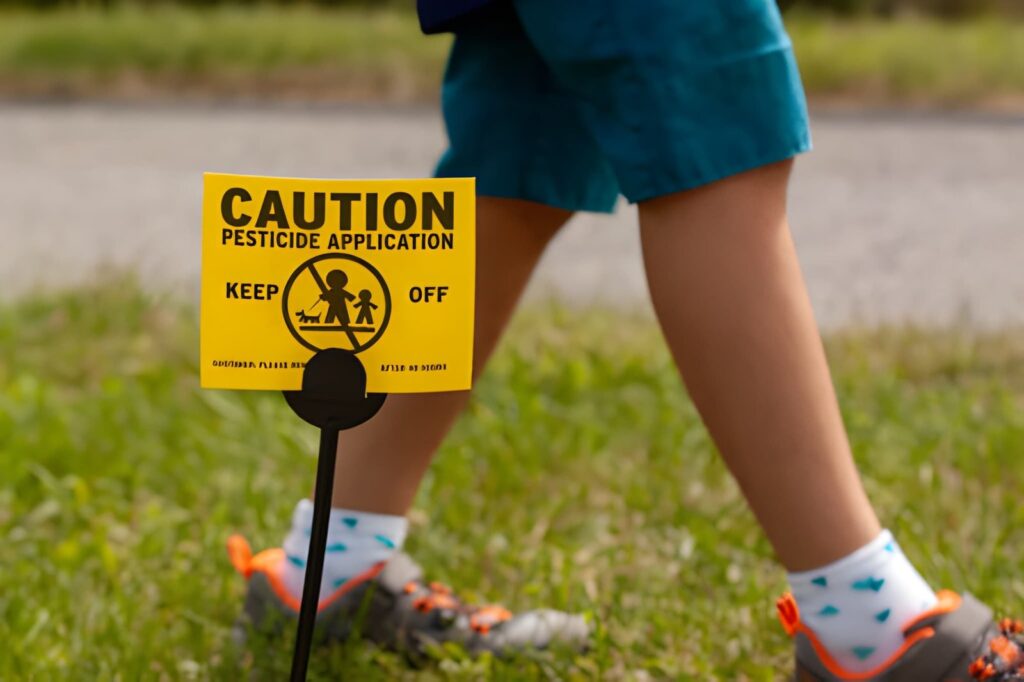
Chemical pollution also harms wildlife. Pesticides and fertilizers from farms can wash into rivers, lakes, and oceans. These chemicals may poison fish, insects, and birds. In some cases, toxic substances build up in the food chain, affecting predators at the top, such as eagles, sharks, and big cats.
Air pollution can damage ecosystems as well. Acid rain, caused by pollutants in the atmosphere, can harm forests, lakes, and soil, making it harder for plants and animals to survive.
Climate Change
Climate change is one of the most serious threats facing wildlife today. Human activities such as burning fossil fuels, cutting down forests, and industrial production release greenhouse gases into the atmosphere. These gases trap heat and cause global temperatures to rise.
As the climate changes, many animals are forced to move to new areas in search of suitable conditions. However, not all species can adapt quickly enough. Polar bears, for example, depend on sea ice to hunt seals. As Arctic ice melts, they have less access to food.
Coral reefs are also suffering because of rising ocean temperatures. Warmer waters cause coral bleaching, which weakens or kills coral. Since coral reefs provide shelter and food for thousands of marine species, their decline threatens entire ocean ecosystems.
Climate change can also disrupt migration patterns, breeding seasons, and food availability. Birds may arrive at nesting areas too early or too late, while insects and plants may no longer appear at the right time for animals that depend on them.
Illegal Hunting and Poaching
Illegal hunting and poaching are major causes of wildlife decline. Many animals are killed for their skins, horns, tusks, bones, or meat. Elephants are hunted for ivory, rhinos for their horns, and tigers for their skins and body parts.
The illegal wildlife trade is a global problem worth billions of dollars. It threatens many endangered species and can push them closer to extinction. Poaching also disrupts ecosystems. When large predators or important herbivores are removed, the balance of the environment can change dramatically.
Even legal hunting can become harmful if it is not carefully managed. Overhunting reduces animal populations faster than they can reproduce, leading to long-term damage.
Overfishing
Overfishing is a serious threat to marine wildlife. Many fish populations are being caught faster than they can replace themselves. This not only affects the fish species being targeted but also harms predators that depend on them for food.
Modern fishing methods can also damage ocean habitats. Bottom trawling, for example, involves dragging heavy nets across the seafloor. This destroys coral, sponges, and other marine life.
Bycatch is another major problem. Dolphins, sea turtles, sharks, and seabirds are often accidentally caught in fishing gear. Many of these animals are injured or killed, even though they were not the intended catch.
Urban Expansion
As human populations grow, cities and towns expand into natural areas. Roads, buildings, and infrastructure break up wildlife habitats and make it harder for animals to move safely.
Roads are especially dangerous. Many animals are killed by vehicles while trying to cross. Highways can also separate populations, preventing animals from finding mates and reducing genetic diversity.
Urban areas may attract some wildlife, such as raccoons, pigeons, and foxes, but many species cannot survive in cities. Noise, lights, pollution, and lack of natural food sources make urban environments difficult for wildlife.
Agriculture and Livestock Farming
Agriculture is necessary for feeding people, but some farming practices harm wildlife. Large-scale farming often requires clearing natural habitats. Monoculture crops reduce biodiversity because they replace diverse ecosystems with a single plant species.
Pesticides used in agriculture can kill beneficial insects, including bees and butterflies. These pollinators are essential for many crops and wild plants. Without them, ecosystems and food production are at risk.
Livestock farming can also threaten wildlife. In some areas, predators such as wolves, lions, and leopards are killed to protect cattle, sheep, or goats. Overgrazing by livestock can damage grasslands and reduce food for wild herbivores.
How to Protect Wildlife
Although human activities threaten wildlife, there are many ways to reduce the damage. Governments, businesses, communities, and individuals all have a role to play.
Protecting natural habitats is one of the most important solutions. Creating national parks, wildlife reserves, and marine protected areas helps species survive. Restoring damaged ecosystems, such as forests and wetlands, can also bring wildlife back.
Reducing pollution is equally important. People can use less plastic, recycle properly, choose eco-friendly products, and support clean energy. Farmers can use sustainable methods that protect soil, water, and pollinators.
Stronger laws are needed to stop poaching, illegal wildlife trade, and destructive fishing practices. Consumers can help by avoiding products made from endangered animals and supporting organizations that protect wildlife.
Conclusion
Human activities that threaten wildlife include habitat destruction, pollution, climate change, poaching, overfishing, urban expansion, and unsustainable farming. These actions have serious consequences for animals, ecosystems, and people.
Wildlife conservation is not only about saving Xổ số TG88 animals; it is about protecting the natural systems that support life on Earth. By making responsible choices and supporting conservation efforts, humans can help create a safer future for wildlife and the planet.